

Wild Lime Adventures offers award-winning eco-tours through Florida’s wild places, including the Everglades, Big Cypress, Biscayne, and Dry Tortugas National Parks. As a certified and fully permitted national park eco-tour operator, we’re passionate about protecting wildlife and helping visitors connect deeply with the natural world. Among our favorite encounters are the graceful herons and egrets that define the wetlands’ rhythm and beauty. Each has its own story of color, character, and conservation. You can see these birds year round in the Everglades!
The Great Blue Heron (Ardea herodias) – The Stately Guardian
Tall, majestic, and unmistakable, the Great Blue Heron reigns supreme as the largest wading bird in North America. With its cool gray-blue plumage, dagger-like bill, and six-foot wingspan, it’s a master of stealth and precision. It often stands motionless, waiting for just the right moment before striking lightning-fast to catch fish or frogs. Watching one hunt feels almost meditative — a reminder of the stillness and patience that define life in the wetlands. This bird also has the distinction of being the biggest predator of the alligator! If you are wondering about that, it’s because it eats the babies!
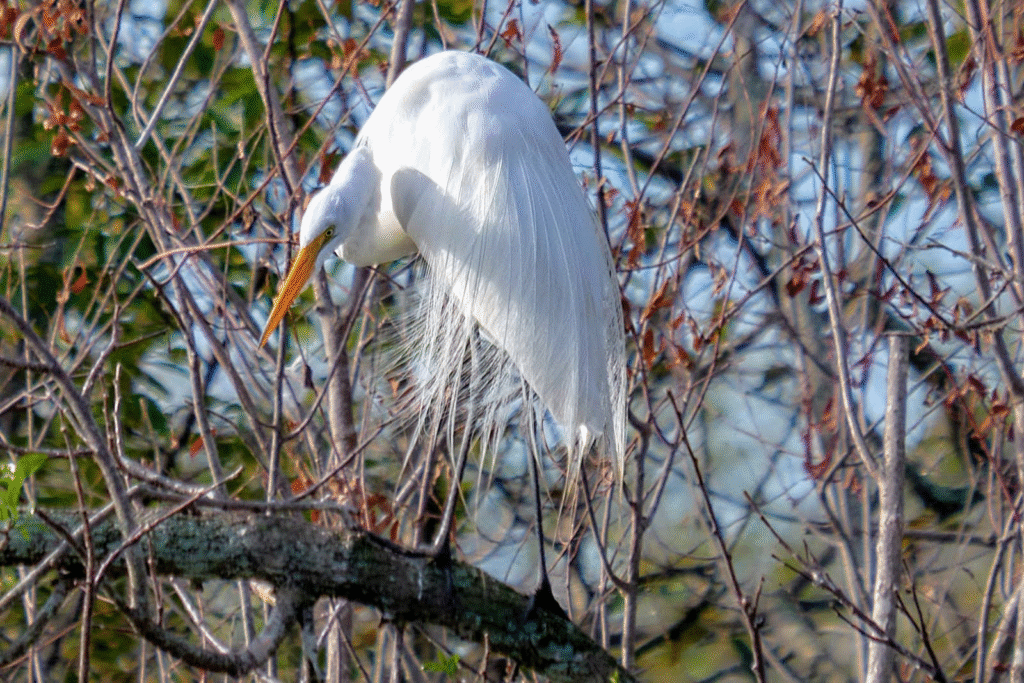
The Great Egret (Ardea alba) — The Timeless Symbol of Grace
Pure white and impossibly elegant, the Great Egret glides through the Everglades like a spirit of the marsh. Once hunted nearly to extinction for its beautiful plumes, it became a symbol of conservation and was one of the birds to inspire the formation of the Audubon Society. Today, this shining white figure stands as proof that nature can recover when we care enough to protect it.
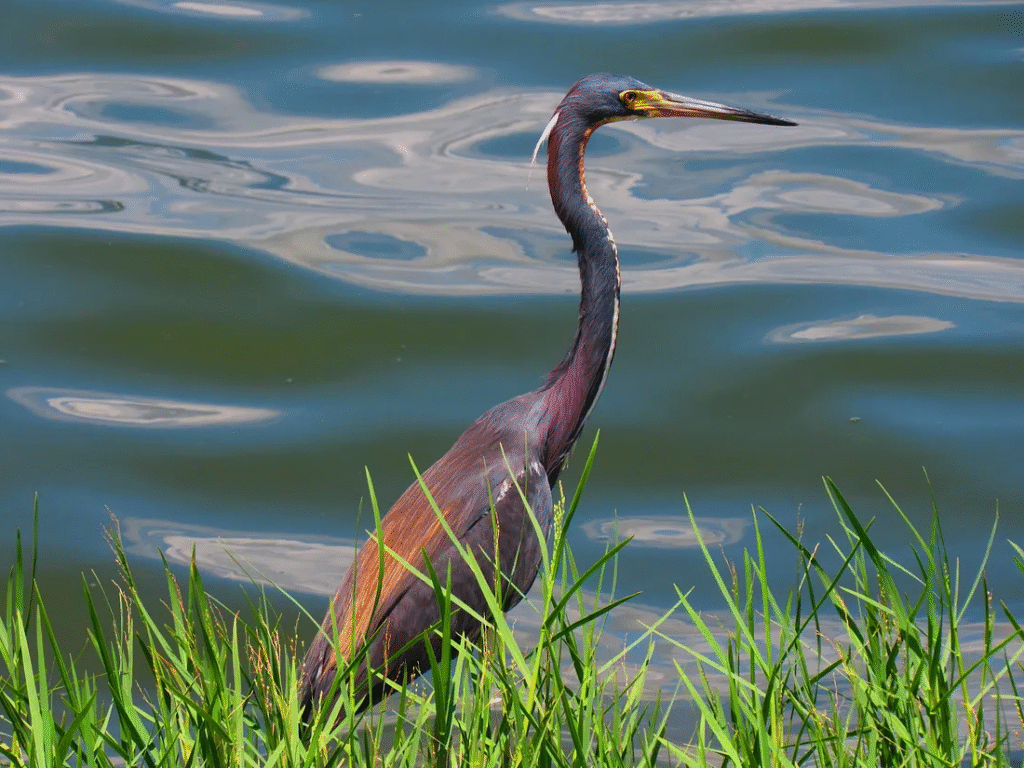
The Tricolored Heron (Egreta tricolor) — The Flashy Fisherman
Lively, colorful, and full of flair, the Tricolored Heron is the Everglades’ showman. With a mix of blue-gray, lavender, and rust tones, it’s a painting in motion. But it’s not just its colors that make it special , it’s the way it hunts. Darting, dancing, and spreading its wings to shade the water, this heron turns fishing into performance art.
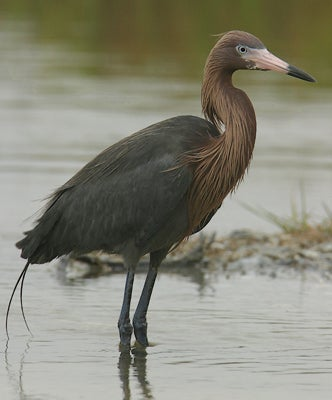
The Reddish Egret (Egretta rufescens)— The Dancer of the Shallows
If you spot a bird sprinting and twirling through the water, wings flashing, that’s the Reddish Egret. Known as the ‘dancing heron,’ it’s one of the most entertaining birds to watch in Florida. With its shaggy reddish feathers and silvery wings, it uses its moves to startle fish into motion before striking. Once nearly gone due to the feather trade, this rare and beautiful egret has made a remarkable comeback. Since there are only about 400 pairs found in Florida you have to be super lucky to spot this bird in the Everglades!
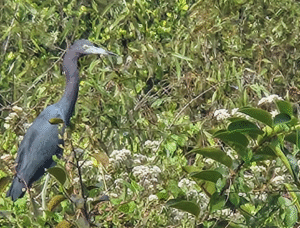
The Little Blue Heron (Egretta caerulea)— The Quiet Artist
Serene and deliberate, the Little Blue Heron is one of the most elegant birds in the marsh. Adults wear soft slate-blue feathers, while young ones start out pure white. They slowly turn blue as they mature, often passing through a stunning patchy ‘tie-dye’ phase. Our own biologist, Stacy, thought she had discovered a new species when she first saw a juvenile little blue in its transition phase! It’s a patient hunter, preferring calm waters and solitude which makes them true minimalists in a world full of flashier cousins.
The Green Heron (Butorides virescens) — The Clever Little Fisherman
Small and secretive, the Green Heron proves that brains matter as much as beauty. With rich chestnut and emerald plumage, it blends perfectly into the vegetation. This bird is one of the few in the world known to use tools! It has been spotted dropping insects, twigs, or feathers onto the water to bait fish. A tiny genius of the wetlands, it’s one of the Everglades’ hidden treasures.
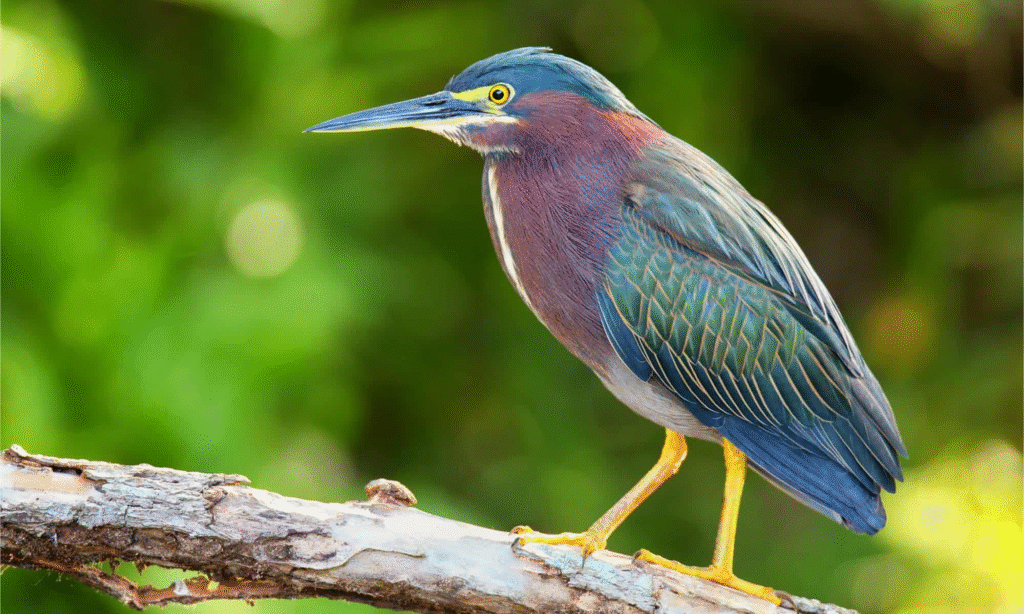
The Snowy Egret (Egretta thula) — The Elegant Showstopper
You’ll know the Snowy Egret by its bright white plumage and striking black-and-yellow details — and, of course, its golden feet! It’s an energetic hunter, often stirring up fish with those flashy ‘slippers,’ (or perhaps rain boots) chasing prey with enthusiasm, and sometimes squabbling with others for the best fishing spots. Once nearly lost to the feather trade, it’s now thriving again, full of spirit and style.
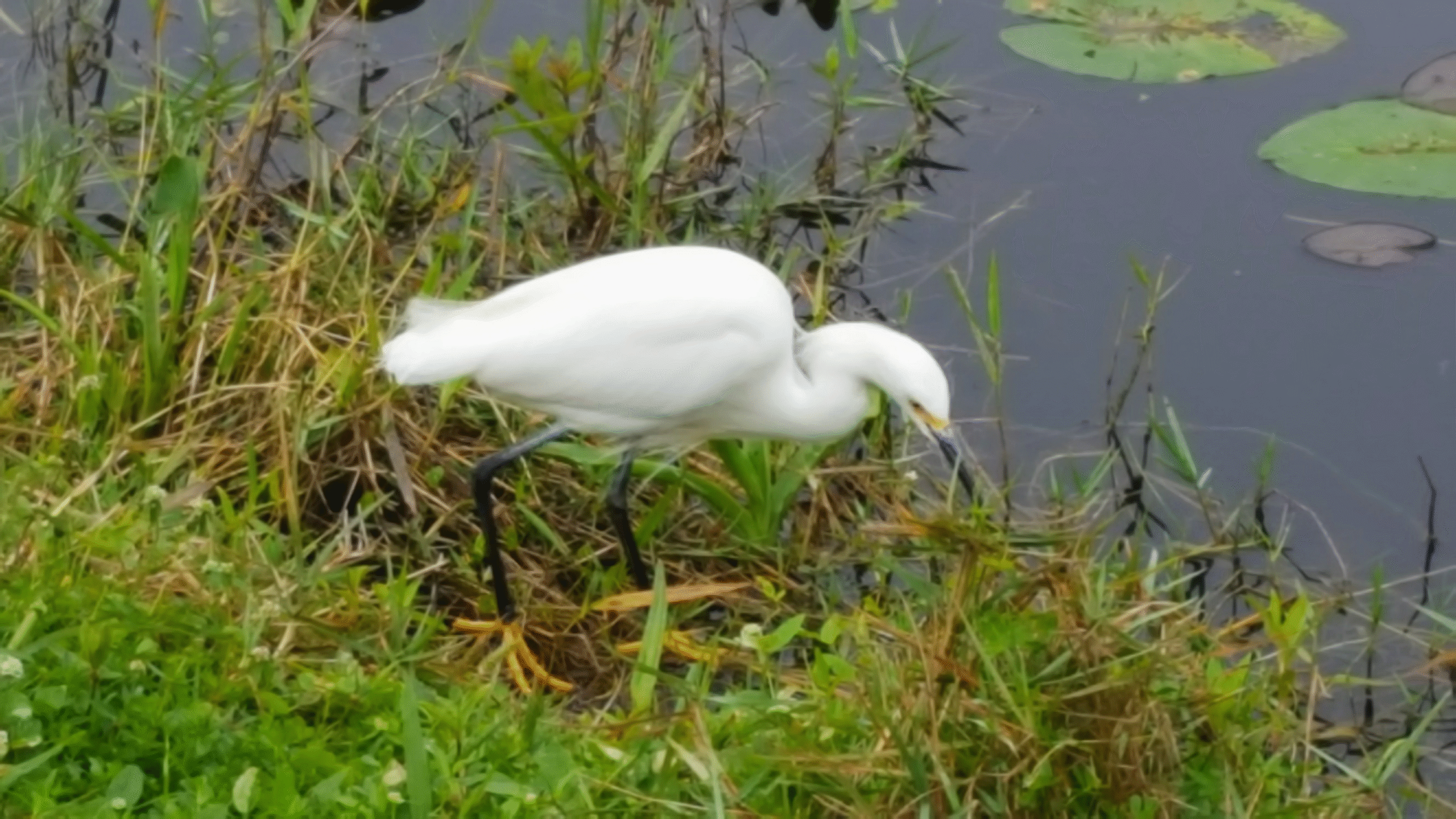
The Black-crowned Night Heron (Nycticorax nycticorax) — The Stealthy Stalker
With ruby-red eyes and sleek black-and-gray feathers, the Black-crowned Night Heron is the wetlands’ nocturnal hunter. While most herons work by day, this one waits until dusk to begin its rounds, gliding silently through the shadows. Short and sturdy, it relies on patience and stealth rather than height or speed — the perfect reminder that every species has its own rhythm and role in the ecosystem.
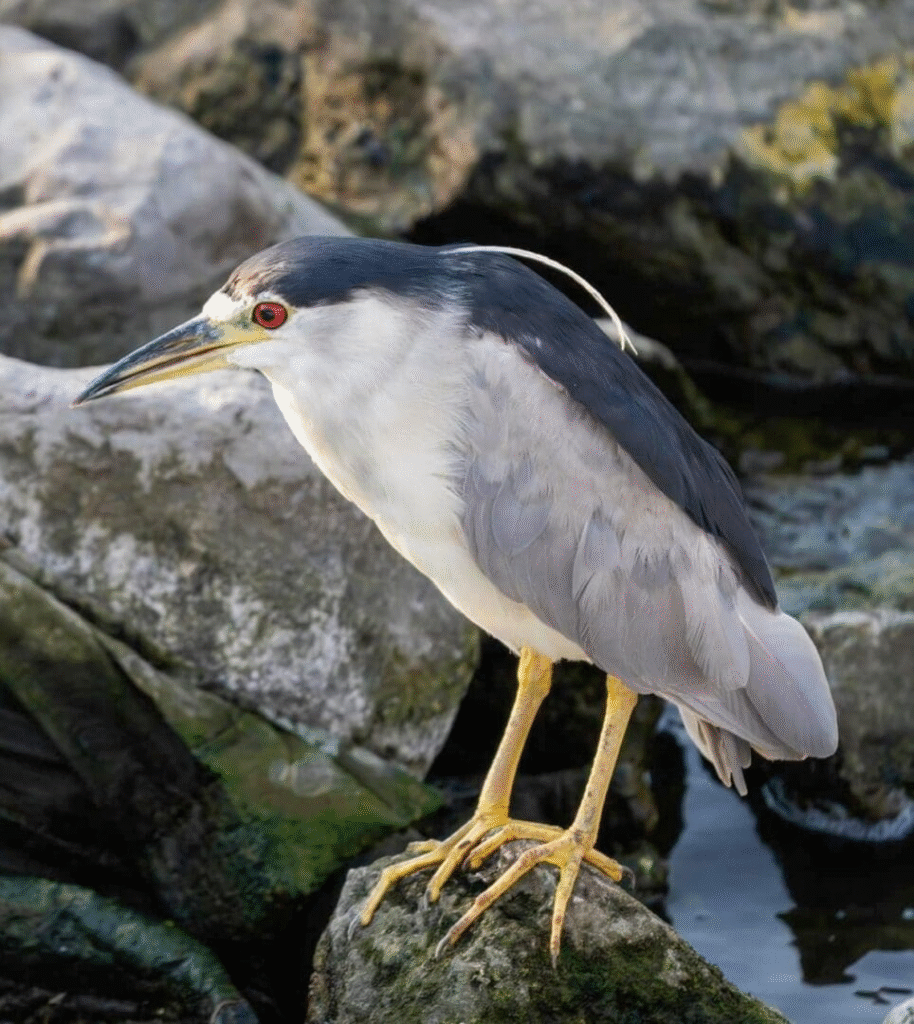
The Yellow-crowned Night Heron (Nyctanassa violacea) The Stealthy Stalker II
With its striking black-and-white head, glowing red eyes, and golden crown, this heron turns heads even under moonlight. Unlike its daytime cousins, it works the night shift, wading through mangroves and marshes for one main prize: crabs. You might find it standing perfectly still, waiting for the tide to change, the picture of patience.
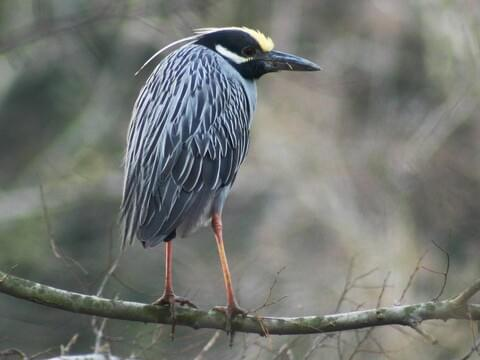
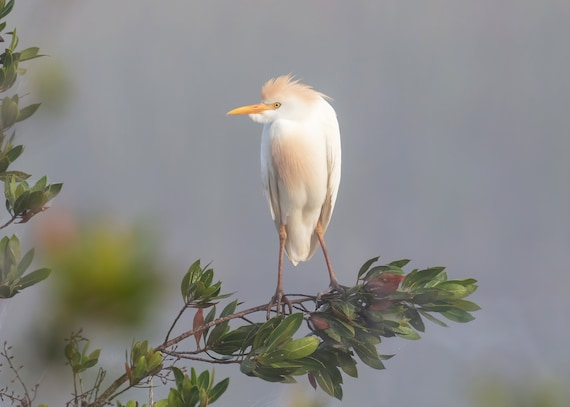
The Cattle Egret (Bubulcus ibis) – Brave little birds
The Cattle Egret might not look as glamorous as some of its taller cousins, but it’s one of the most entertaining and adaptable birds in Florida. Originally from Africa, this resourceful traveler followed livestock and agriculture across the world — and made itself right at home in the Sunshine State. You’ll often see Cattle Egrets perched on the backs of cows or walking beside them, snatching up insects stirred by hooves. But here’s one of their most remarkable habits: these clever birds are known to fly directly toward brush fires — not to escape them, but to hunt. As the flames flush out grasshoppers and other insects, the egrets move in fast, seizing the opportunity for an easy feast.
During breeding season, their usually white feathers take on warm golden tones, giving them a radiant look that matches their fiery opportunism. The Cattle Egret is nature’s little entrepreneur — always adapting, always finding a way.
The Everglades’ Living Gallery
From the smallest Green Heron to the towering Great Blue, each of these birds tells part of the story of the Everglades — a story of beauty, resilience, and balance. When you join Wild Lime Adventures, you’re not just birdwatching — you’re stepping into a world where every wingbeat, ripple, and reflection is part of a living masterpiece.
Come Find the Real Florida — and meet its most graceful residents.