

Recently, we were on a bird watching tour and encountered thousands, literally thousands of ducks in a concentrated area. This got us thinking about how pivitol the Everglades were and are for waterfowl species and if the abundance of ducks is increasing or decreasing.
From Waterfowl Paradise to Conservation Success Story

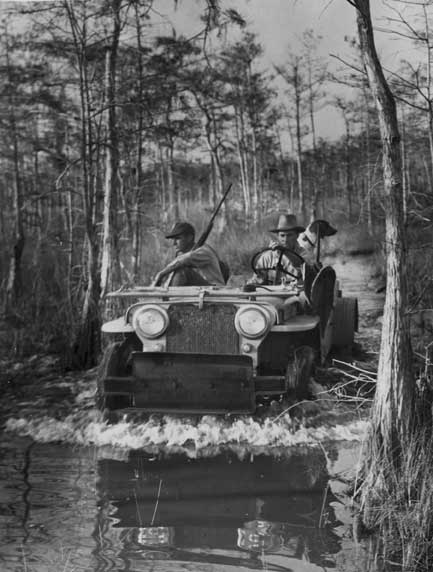
Long before airboats, boardwalks, and national park boundaries, the Everglades were known as one of North America’s great waterfowl strongholds. Early explorers, hunters, and settlers described skies darkened by wings and marshes alive with ducks, geese, and wading birds.
For much of the late 1800s and early 1900s, the Everglades were not just wilderness—they were a destination for duck hunters from across the Southeast. Before large-scale drainage projects, canals, and levees, the Everglades functioned as a massive, slow-moving freshwater system. Seasonal flooding created shallow wetlands which was ideal habitat for wintering ducks migrating along the Atlantic and Mississippi Flyways.
Historical accounts suggest hundreds of thousands—likely millions—of ducks used the Everglades each winter. While exact counts were never recorded, journals and newspaper reports routinely described “unbroken rafts of birds” stretching across sawgrass prairies and sloughs. Can you even imagine this? It would have been magical to witness.
Why the Everglades Were Perfect for Ducks
-
Vast shallow freshwater marshes
-
Abundant aquatic plants and invertebrates
-
Mild winters with little freeze risk
-
Remote landscapes with minimal disturbance
Duck Hunting in Old Florida
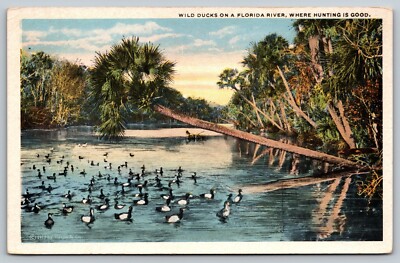
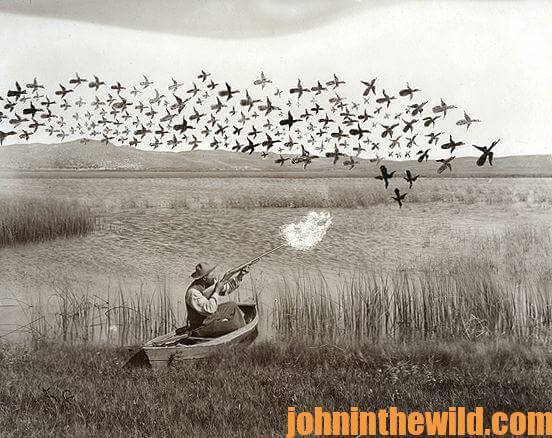
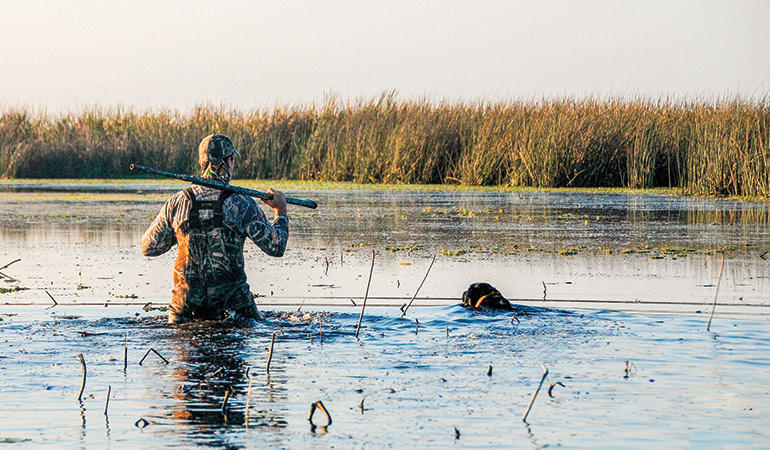
Duck hunting was once a common way of life in South Florida. Subsistence hunters, market hunters, and recreational sportsmen all took part. Ducks were harvested for food, feathers, and sale—especially before federal wildlife protections existed.
By the early 1900s, overhunting combined with habitat loss began to take its toll. Market hunting and plume hunting (for the fashion trade) devastated bird populations across Florida, not just ducks but herons, egrets, and spoonbills as well.
The creation of Everglades National Park in 1947 marked a major shift. Hunting was banned, water management policies slowly evolved, and conservation took center stage. While the Everglades has never returned to its pre-drainage abundance, duck populations seem to have stabilized—and in some cases rebounded. This was due to federal hunting regulations, wetland protections, and large-scale restoration efforts which concentrate on improved water flow management.
Today, the Everglades remain one of the most important wintering waterfowl habitats in the southeastern United States.
Although numbers are lower than historic levels, a surprising diversity of ducks still use the Everglades each year—especially during winter migration.
Duck Species Still Found in the Everglades Today
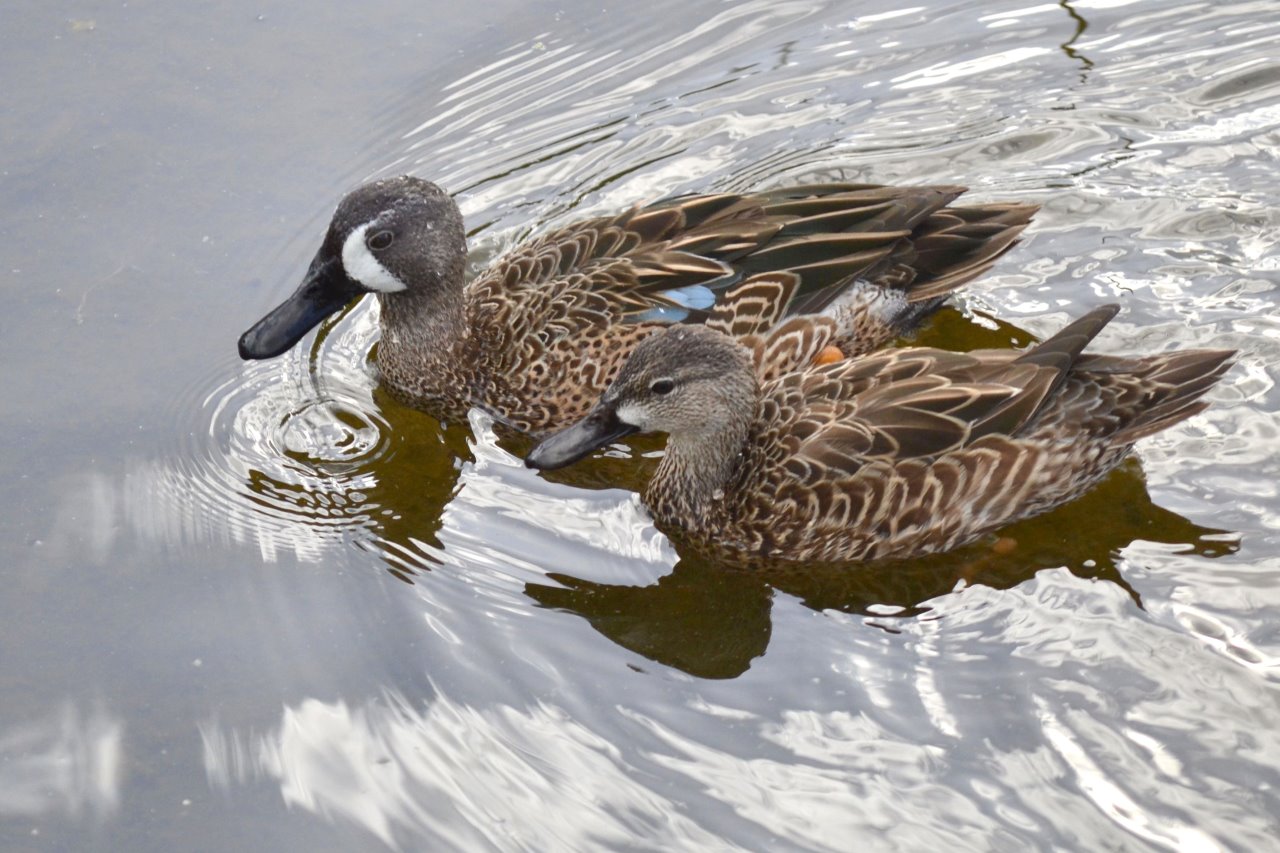
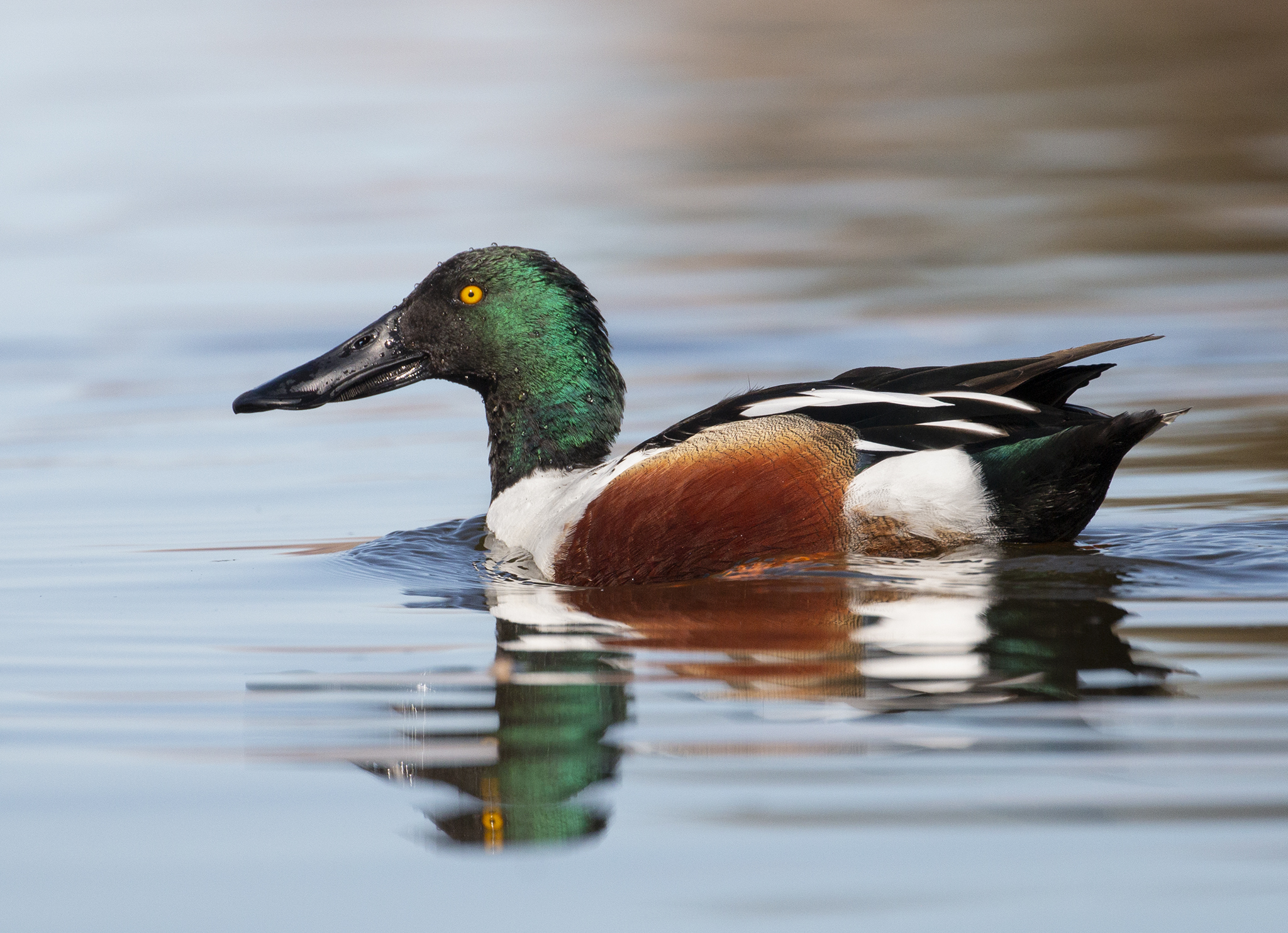
Common Everglades Duck Species
-
Blue-winged Teal – The most abundant winter duck in South Florida
-
Northern Shoveler – Easily recognized by its oversized bill
-
Mottled Duck – Florida’s resident duck, closely related to the Mallard
-
Ring-necked Duck – Found on deeper freshwater marshes and sloughs
-
Lesser Scaup – Often seen in open water areas
-
Green-winged Teal – Small, fast, and highly migratory
-
American Wigeon – Grazes on aquatic vegetation
These species rely on seasonal water levels, making Everglades restoration critical to their future.
Today, the Everglades tell a different story. Where hunters once waited in blinds, birders and photographers now stand quietly with binoculars and cameras. Ducks are no longer targets, but indicators of ecosystem health.
If you want to see an abundance of ducks, join us this winter for a tour. Be sure to mention ducks specifically so we can take you to one of our secret spots!